
performing alchemy (diary 02)
postcards from prague

I. In Bread of Angels, Patti Smith writes of Raimondo di Sangro, an Italian alchemist who is famous for, among other things, commissioning the creation of Veiled Christ. This statue of Jesus lying in repose is covered in a veil so delicate, it was said that Di Sangro taught the sculptor how to turn fabric into stone through alchemy. Not magic by any means, but a specific chemical process. One thing becoming another. Of course, it was not Di Sangro but the sculptor himself, Giuseppe Sanmartino, who was responsible for the impossible veil. Smith writes, “A great artist is an alchemist as well, driven to transfigure the beauty and brutality of existence.” There are days where I believe this is true, that I will be able to create something so good and clean and close to the bone that there will be no lingering shadow of the labor put into it. Art as a divine science. Most days, though, I’m certain they will be able to see every piece I imperfectly chiseled away.
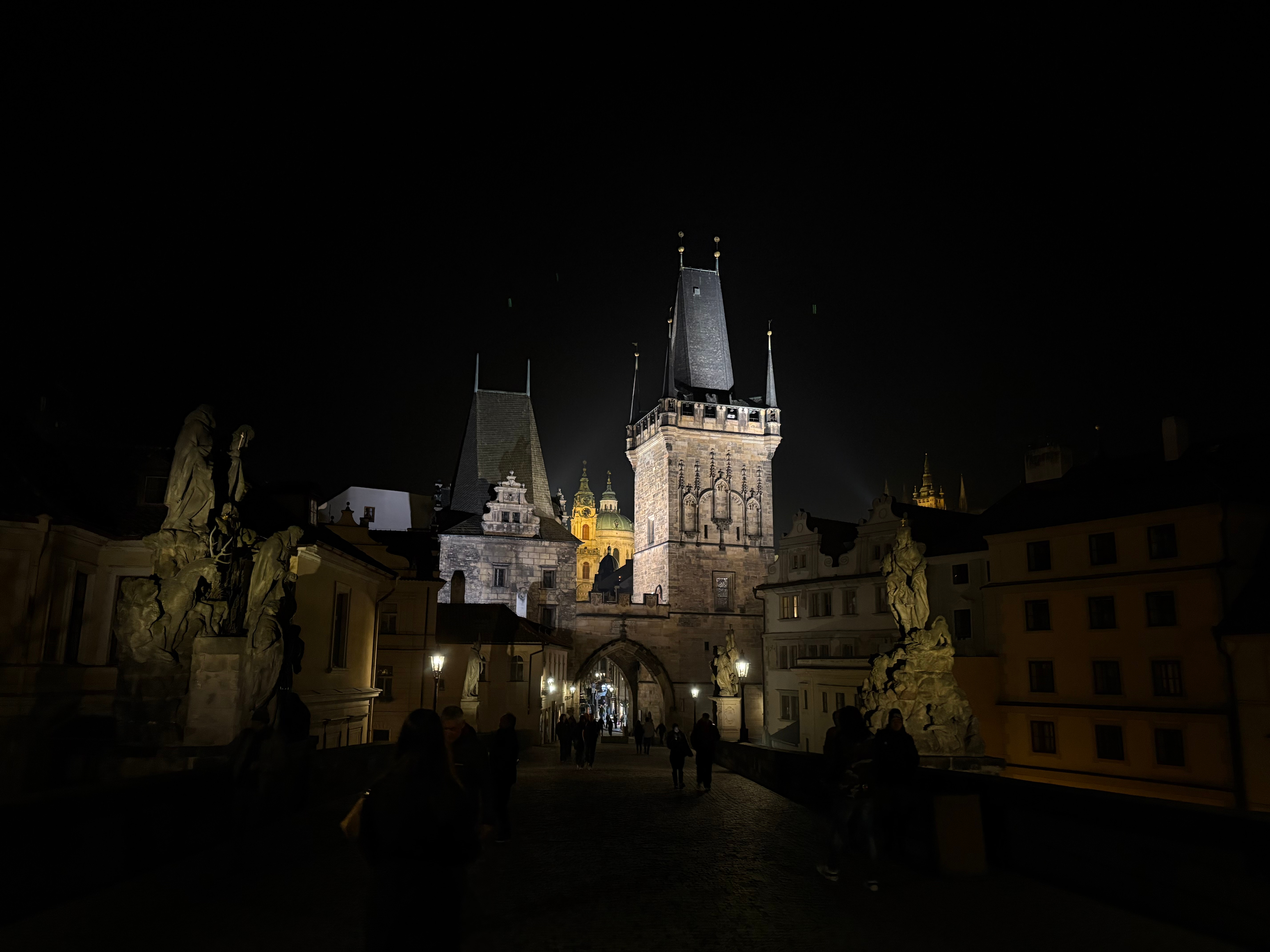
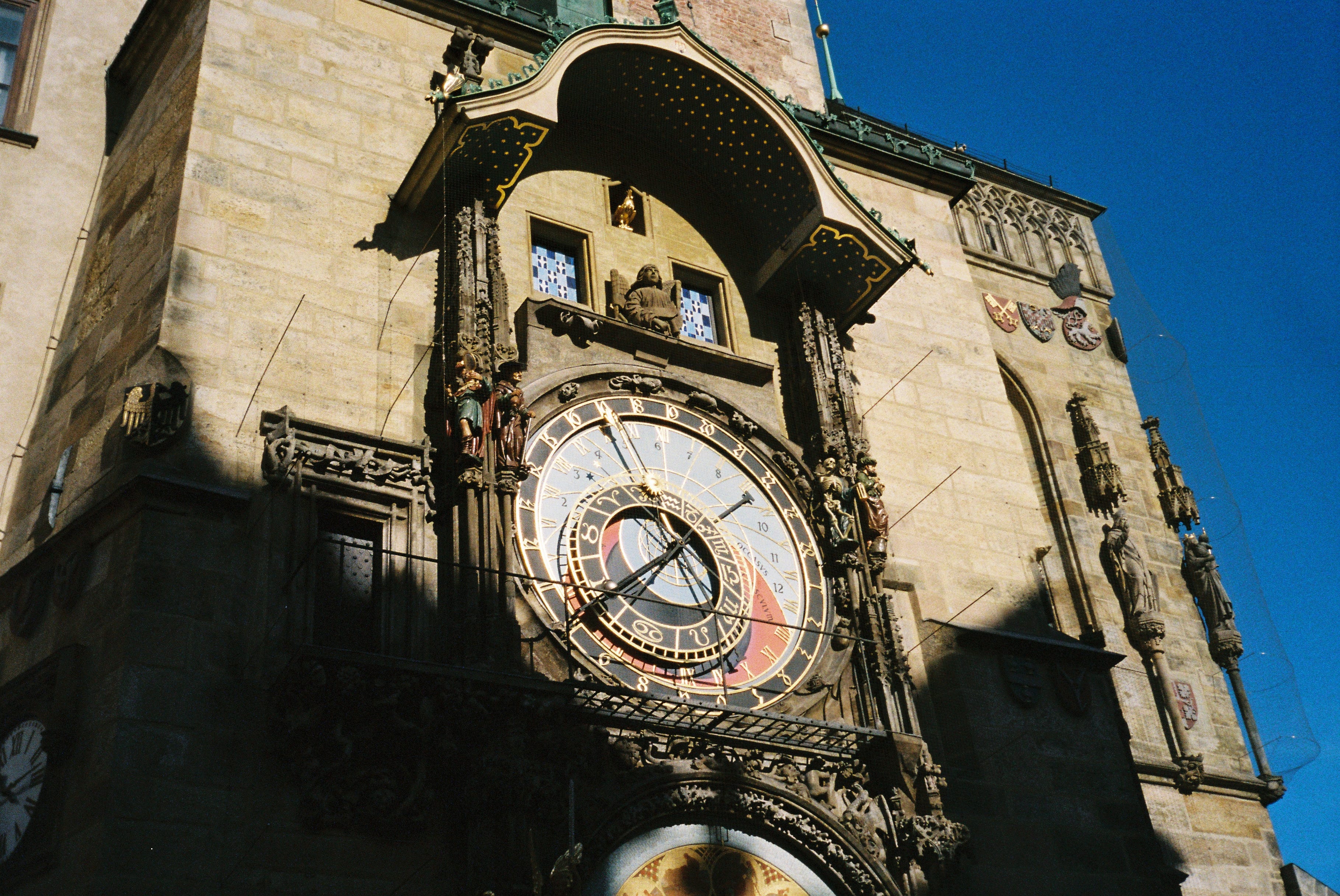
II. The Holy Roman Emperor Rudolf II was enraptured with alchemists. He built private laboratories beneath the city of Prague, brought in men who claimed they could turn base metals into gold, who said they spoke to angels and knew the secret of eternal life. There are echoes of this all over the city. Unearthed labs turned into museums. Black suns and golden keys. Look up and you’ll be able to see these strange symbols side by side with the towering spires of cathedrals, everyone grasping at the hem of God’s robes in their own way. Paying tribute to Him or trying to become Him or perhaps just trying to understand Him. There was no delineation, during the Renaissance in Prague, between the crafts and practices that the Church deemed unholy and the rituals they saw as sacrament. Transubstantiation, the act of bread becoming flesh, of fabric becoming stone, of iron becoming gold, becoming life without end. It was all one.
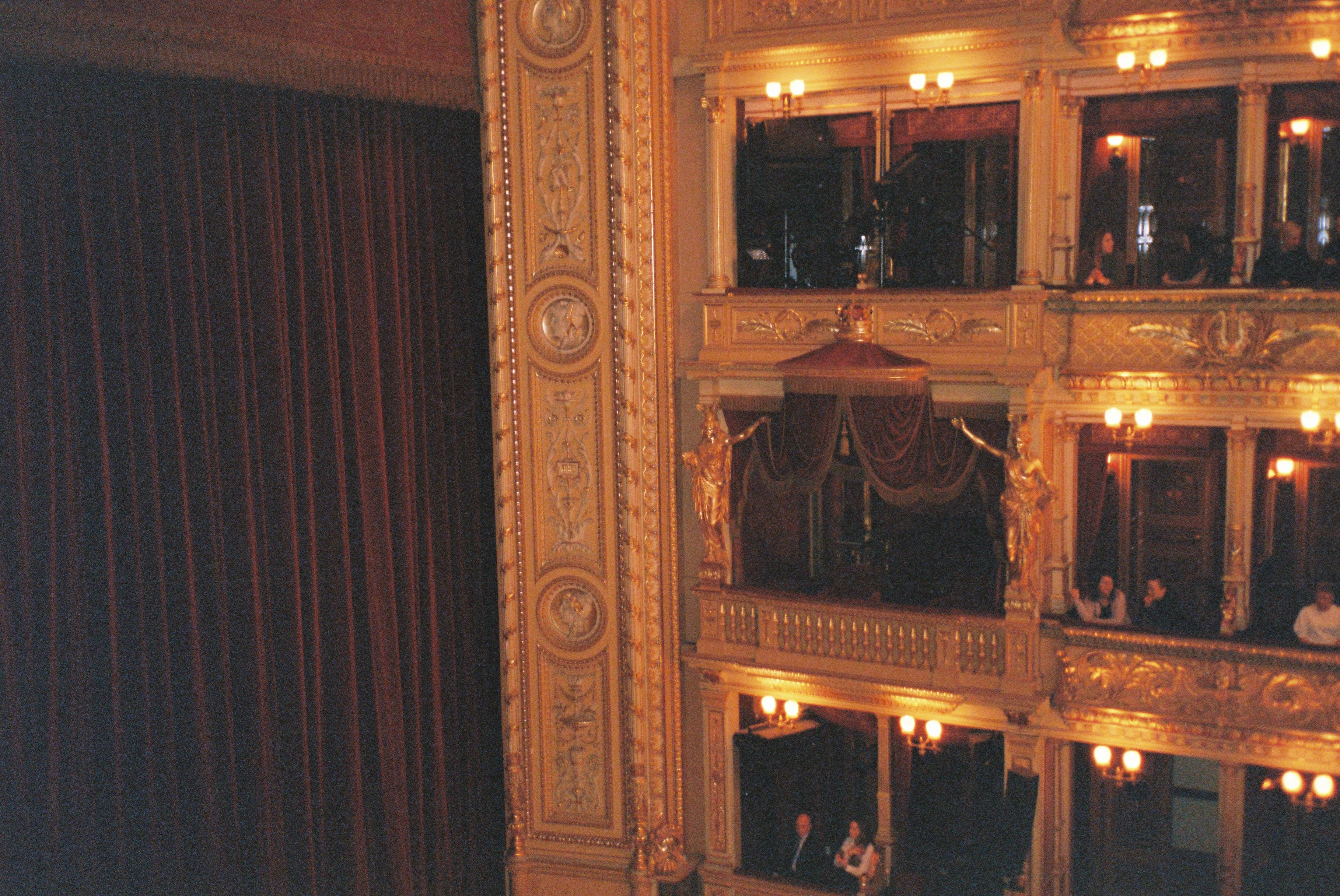
III. I see the remnants of old growth everywhere. Less a divine process and more a garden that must be regularly weeded. I have failed to find a way to make this all less work. I need to be in a strange place, sometimes, all alone in a country I don’t know, to remember who I am, to not feel so bogged down by the things I’ve grown out of, inch by painful inch. I go to the opera, see a story about a water nymph turned into a human girl. There are so many stories about women becoming unrecognizable to themselves in service of a man. In this story, the water nymph laments her lost sisters, her realm, her husband who swiftly loses affection for her because she is cold, and lacks the wild passion that a human possesses. There is a lesson to be learned here, about original sin and the folly of Eve, I’m sure. Smith writes, “Not satisfied with the beauty of the natural world, the artist seeks the unnatural kingdom […] In this way, one could say that Eve, seeking knowledge, was potentially the first artist.” I am seeking unnatural kingdoms. Trying to understand what is left once all this shedding is done.
IV. I visit old libraries and churches, see an original copy of Malleus Maleficarum, drink cheap beer and weave through crowds of Spanish and Italian schoolchildren by the river. Despite the fact that it is late February, the weather is pleasant and spring-like. I see more of the sun than I have seen in Scotland in weeks. On trips like this, I feel like Emerson’s transparent eyeball, an observer, leaving no trace of myself behind. Every time I engage in conversation, it feels like I am learning to speak again for the first time. It always surprises me, how shocked people are to find out I am alone, as if that is not the most natural state in the world.
V. It is both heartening and discouraging how quickly I find myself missing my friends, my routine. There is a story I want to tell myself, about a girl so devoid of desires and attachments, she is able to pick up her life and leave at a moment’s notice. But who does that story serve? And why do I want it to be told? I don’t want to be the one left alone. I don’t want there to be any sign of how much I care, how much time I spent chiseling away at that stone. Art as a message channeled from above. Angels speaking to me, telling me how to be needless and perfect. Desire leads out of the garden, after all. But there’s the rub: I love it all too much to keep pretending I don’t. There is no alchemy here. That first time Eve looked at Adam with want in her eyes. The way it must have felt for that sculptor to stare down at his work, to feel the ache in his hands. There is no creator here but me. I want there to be meat left on the bone. Something to prove I was here.
VI. On my last day in the city, a fog rolls in. Everything beyond the horizon vanishes. I spend the morning walking through a cemetery, watching the way the dew turns everything richer, darker. Maybe I am trying to see death less as a new state of being and more like a world I can pass through to. I am not frightened, it has been beside me this entire time, just beyond my reach. The truth is, I like my life so much I don’t want it to ever be taken from me, and I worry that when it is, I will not be leaving enough behind. But who’s to say this isn’t enough already? The unfinished projects and failed half-starts. The patches of earth where the roots were ripped up and planted again. Every person who would miss me when I’m gone. All those marks of creation. If there is any subject of my devotion, it is that.
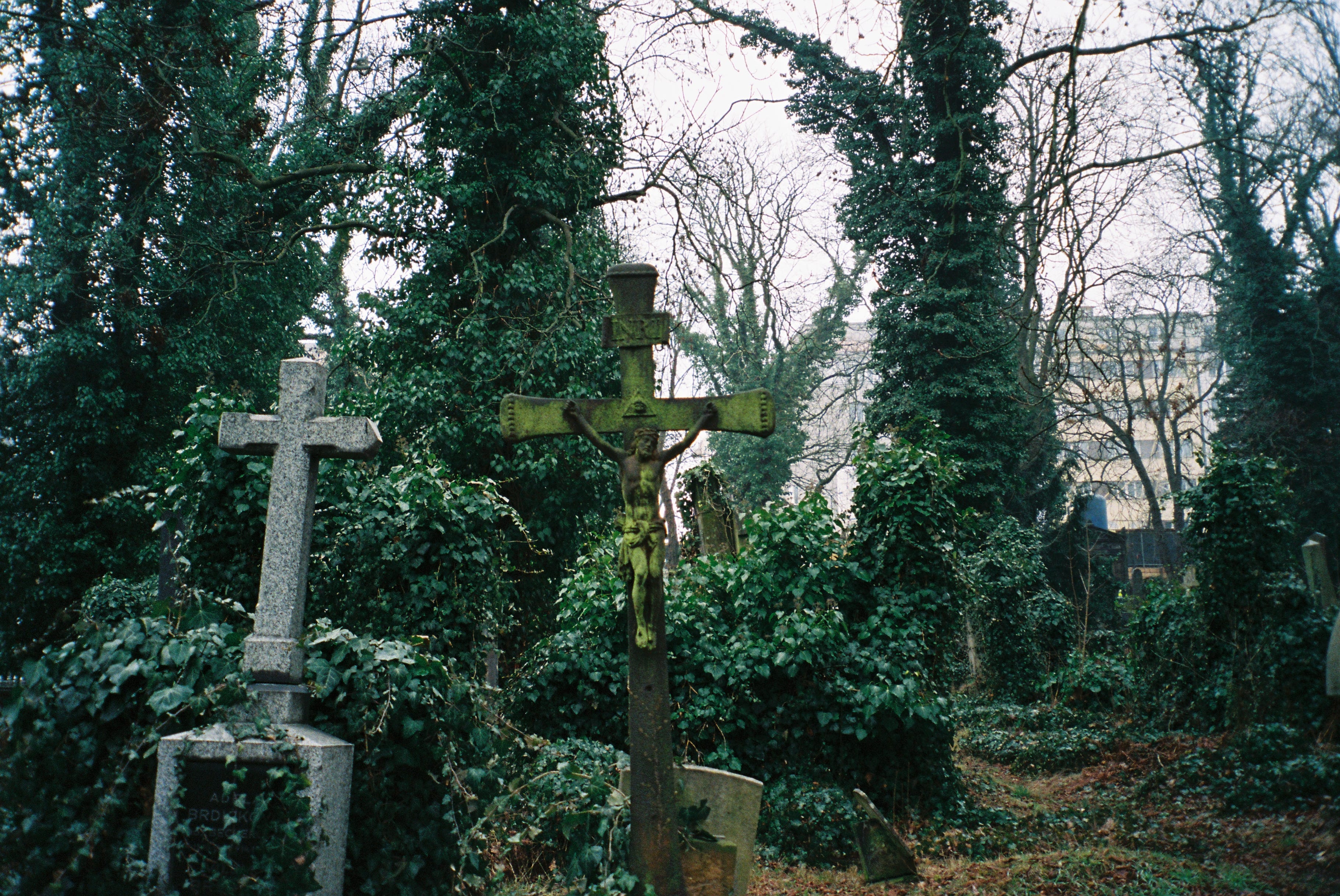
The real alchemy is refusing effortlessness. The dream is always divine intervention.
The hand should ache a little. Otherwise what is left to prove it was ever alive?